Insights
Analysis on fan data, streaming and the entertainment market in Brazil — for those who build artist careers and festivals.

Music sells. To whom?
Brands already know music sells. The Mapeamentos Sonoros study, by Tecla Music, shows where things get stuck: reaching the right audience and measuring the result. The data that solves both sits with whoever has a direct relationship with the crowd.
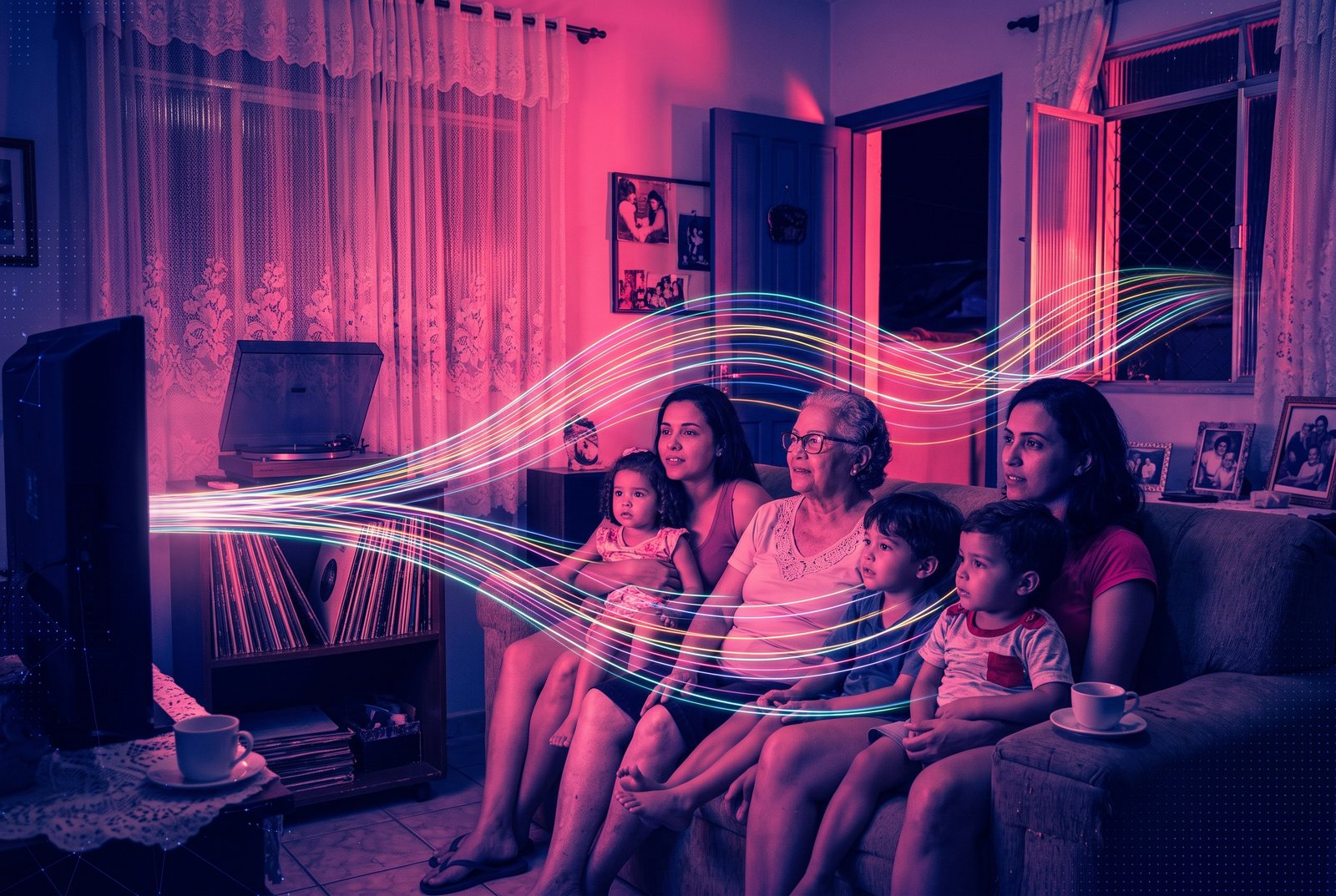
It played on the telenovela. Now what?
A recent report showed songs climbing 7,000% in streams after being used in a Brazilian prime-time telenovela. It is the largest exposure that exists in Brazilian culture, and it is not a feed, not an algorithm and not a bubble. Even so, the artist still walks away without the name of a single person who listened. What that reveals is that the problem was never the algorithm.
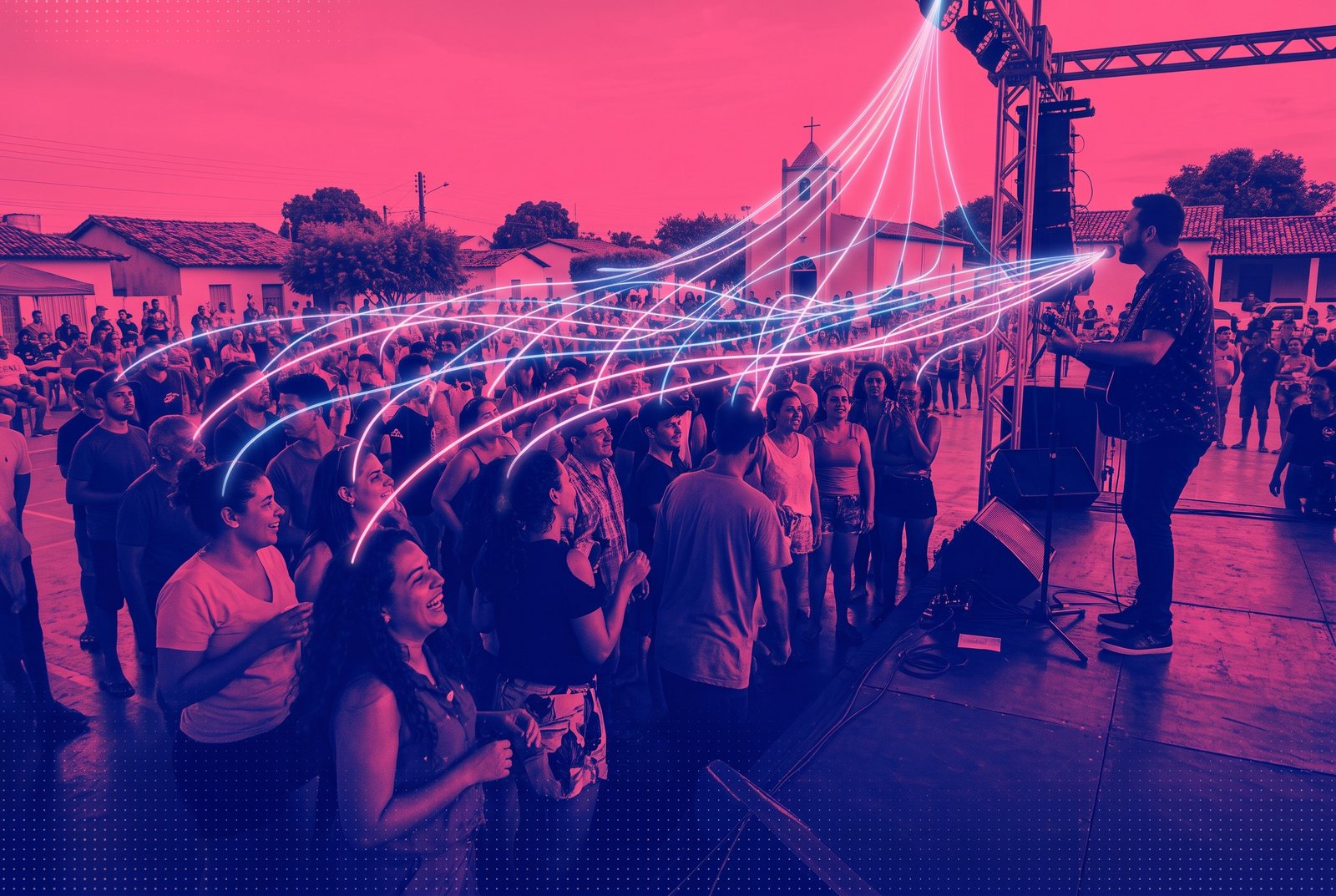
The average Brazilian festival is not Rock in Rio
The 2025 portrait from Mapa dos Festivais shows a small-scale market, concentrated in a handful of centres and running on thin margins. It is in that market that knowing who your audience is makes the biggest difference.
How many times has this fan come back?
An American VIP company measured nearly a million transactions and found the point where an occasional buyer turns into a high-value fan. Seeing that point in your own audience depends on recognizing the same person across separate purchases.
Jão's Greatest Asset
He has said what it is himself. This piece answers nothing: it only gathers what is already public and leaves one question about where that asset lives.
Does your favourite festival need to happen every year?
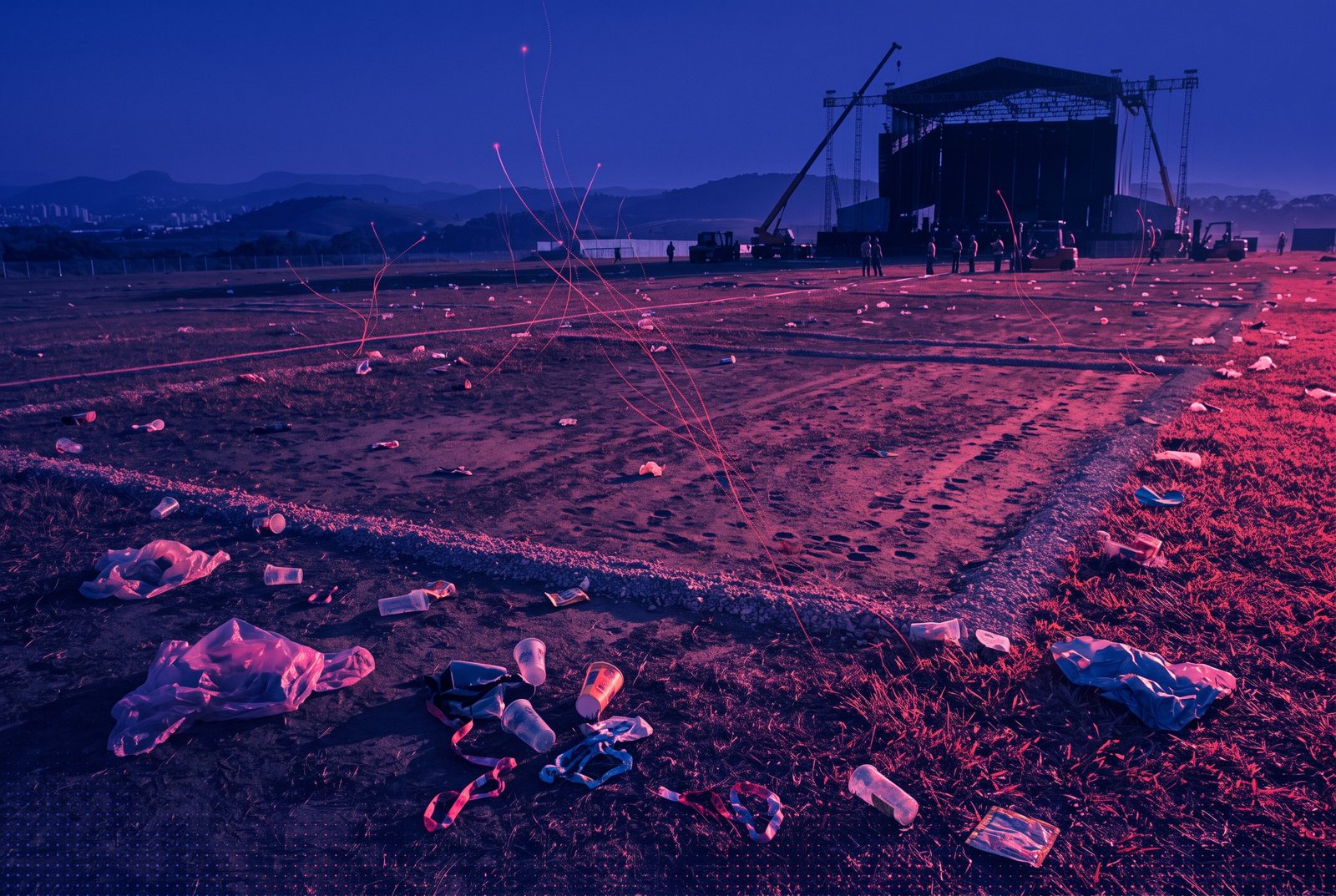
Of the festivals held in Brazil in 2024, 174 had no edition in 2025. Almost half. Part of that is the normal turnover of a market that was never fully annual. Part of it points to a shrinking scene. What separates one from the other has less to do with the calendar and more to do with what a festival manages to preserve of its audience between one edition and the next.
Rock in Rio's data operation fits your festival
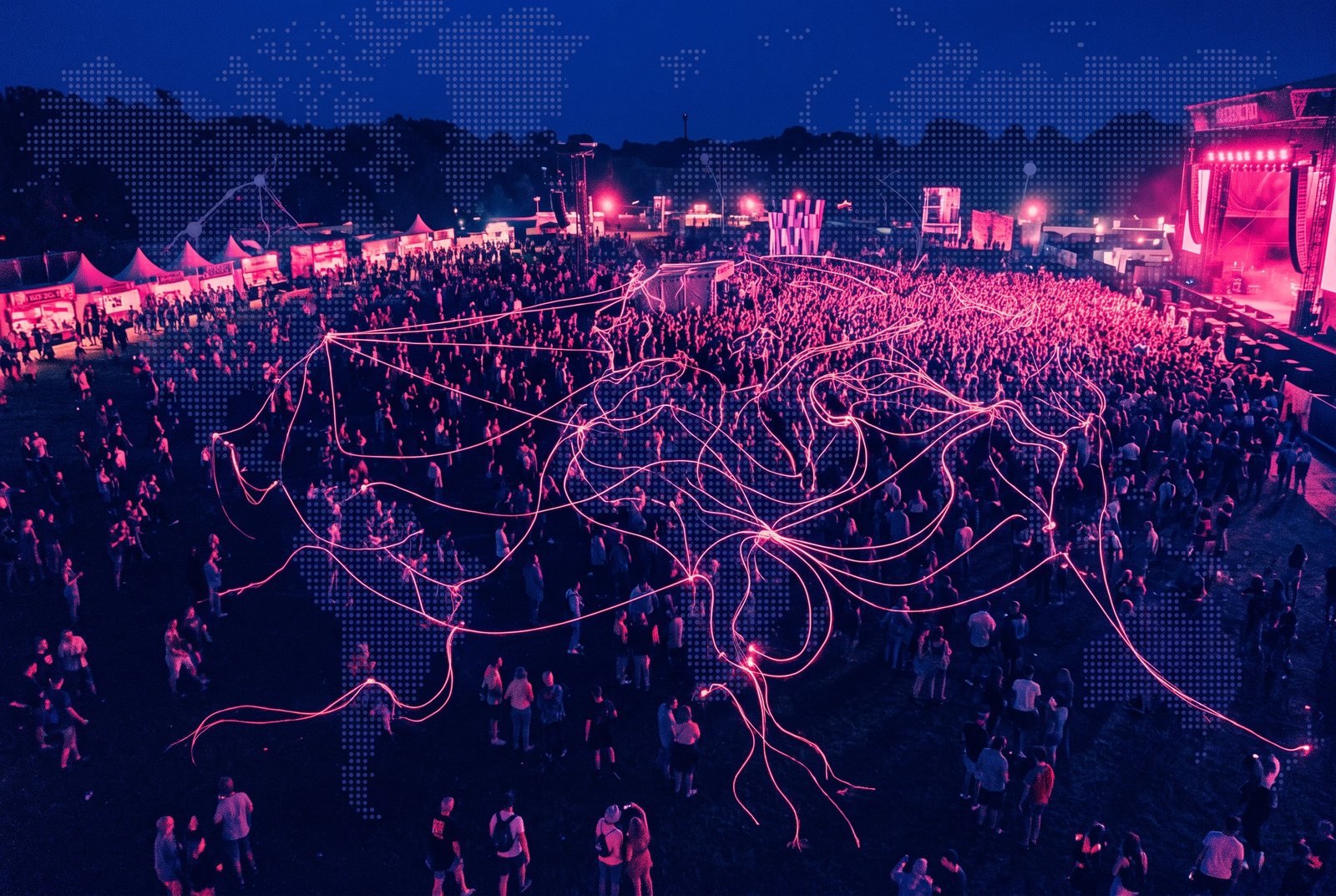
While the festival runs, a second operation runs alongside it: tickets, app, consumption and sign-ups being stitched into a single view of the audience. The vendor describes this publicly, field by field. This piece explains what is being done, by whom and why, and shows why the same logic works at a festival of ten thousand people.
Going viral is not the same as having fans
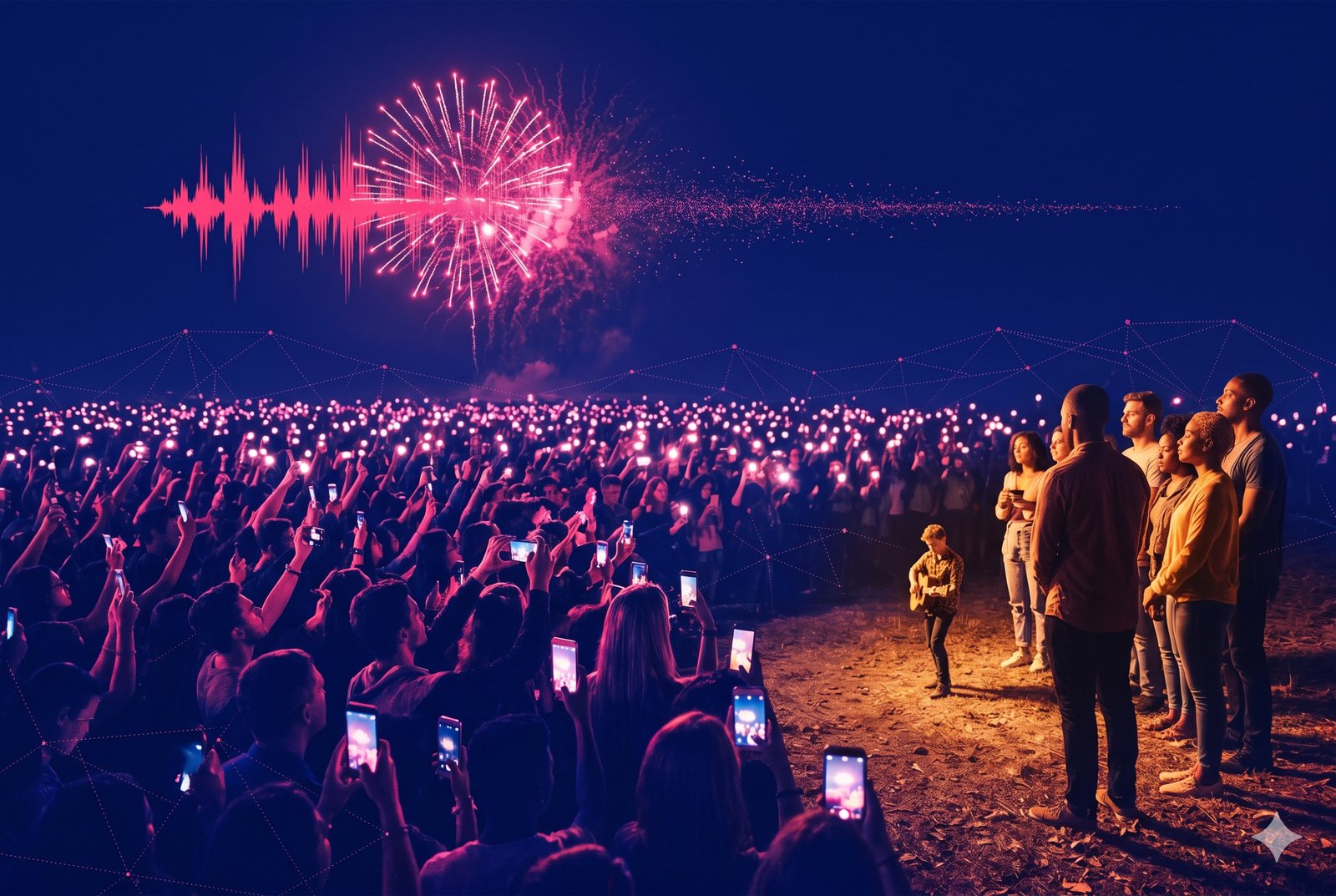
The industry bet that virality drives streams, streams drive fans, and fans drive careers. A global 2025 study of 10,000 consumers shows where that equation breaks, and why rented attention does not become an owned relationship.
A superfan is worth a house of your own
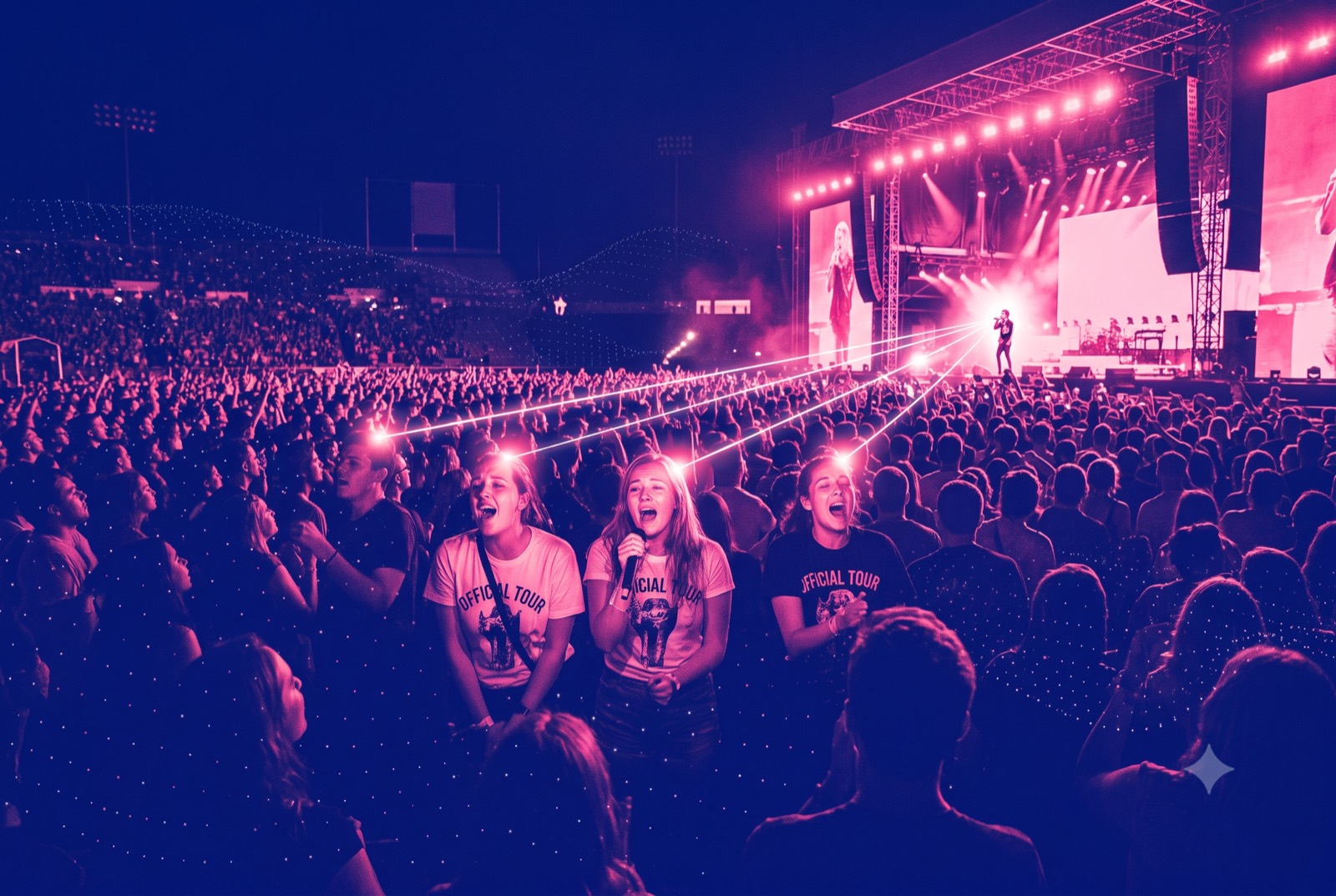
They're 2% of listeners and half of ticket sales. They spend twice as much, buy the merch, pay for access. The whole industry reorganized its strategy around them, and documented, in its own reports, exactly how much they're worth. The question left: does that money flow through your infrastructure, or the platform's?

Streaming doubled. Your audience still isn't yours.
Streaming nearly doubled in five years. In Brazil, the platform ranking barely moved. And in both cases, your audience still isn't yours.

Your Sponsor Deserves More Than a Logo on the Banner
Sponsorship has shifted from reach metrics to behavioral audience data, and the biggest players in the world already make billions from it. Whoever holds the fan data charges more and delivers more. The question is whose data it is.
The Show Ended. Streams Rose 200%. What Happens Next?
Shakira's streams jumped 200% after Copacabana. Lady Gaga's rose 60%. Every live show is a data event. The question is what happens to that data, and who keeps it.
Brazil Has the World's Biggest Festival Data Problem
No other market combines this much growth with this little ownership of fan data.

The Algorithm Doesn't Find Your Music. You Feed It.
120,000 tracks are uploaded to Spotify every day. The difference between a release that breaks through and one that disappears isn't the media budget: it's knowing who to tell first, and how.
You Sold Out Every Show. Now What?
Why Brazilian festivals lose their fans between editions, and how to stop starting from zero.

75% of Brazilian Streams Are Local Artists. Why Don't Any of Them Own Their Fan Data?
Brazil has the most favorable conditions in the world for building direct fan relationships: a fast-growing market, exceptional loyalty, and WhatsApp as the dominant channel. Almost no artist is taking advantage.

Rock in Rio Created 216,000 Playlists. The Promoter Got Zero.
Every major festival is a data event. Spotify knows exactly what happened to the audience during and after the show. The promoter, in most cases, doesn't.

2% of Your Listeners Drive Half Your Ticket Sales
Spotify calls them Super Listeners. Goldman Sachs estimates that monetizing them represents an $18 billion opportunity by 2035. But first, you need to know who they are.

Your Next Festival Edition Starts Today
Festivals that treat their audience as a compounding asset arrive at the next edition with a permanent advantage. Those that don't start from zero. Again.
Does the Fan Data Audit run into data-protection law? Quite the opposite.
The question comes up in almost every conversation. The honest answer: an artist's biggest data-protection risk isn't working with data, it's not working with it.

Your artist has 5 million followers. How many can you actually reach?
Instagram followers and Spotify listeners don't belong to the artist's team. They belong to the platforms. And the market is starting to act on that asymmetry.